
Going to the seaside has been a favourite part of summer for generations. We remember the simple joys of digging in the sand, searching for tiny crabs in shallow pools, and cooling off in the gentle waves near the shore.
These timeless activities keep bringing families together along the British coastline.
Seaside holidays offer a perfect mix of adventure and relaxation, from building elaborate sand castles to discovering hidden sea creatures in rock pools. Whether you find yourself in a noisy seaside town or a quiet stretch of coast, there’s always something to poke around at.
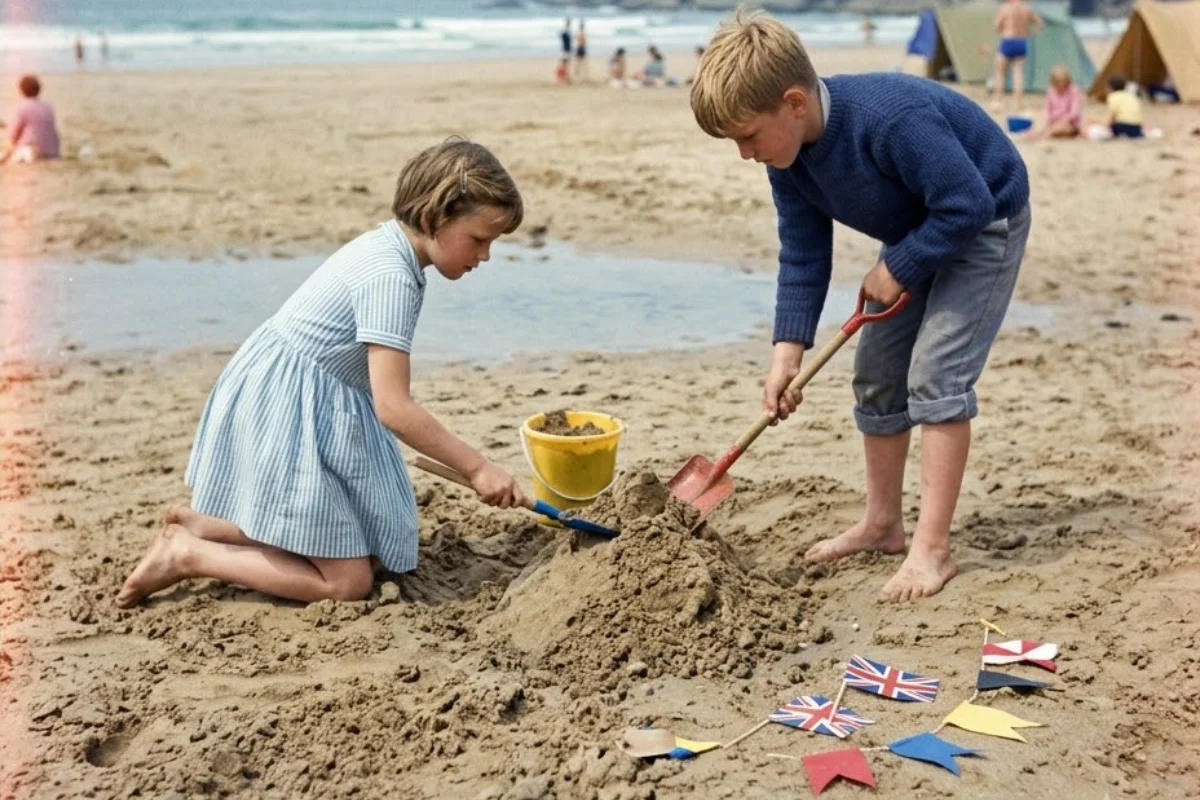
The beach just provides endless ways to enjoy nature and make lasting memories.
In this article, let’s look at the classic things we did and still do at the seaside. We’ll explore creative beach activities, wildlife discoveries, traditional pastimes, and the simple pleasure of paddling in the sea.
These experiences remind us why the coast remains such a special place to spend time with family and friends.
Building Sand Castles and Creative Beach Activities

Sand castle construction is still one of the most beloved seaside traditions. It’s hands-on, creative, and honestly, it keeps families busy for ages.
It connects us to generations of beachgoers who’ve shaped sand into memorable forms, even if our own towers collapse a bit sooner than planned.
Sand Castle Building Traditions
We’ve been building sand castles at British beaches for longer than most of us can remember. Parents hand down their best tricks, and kids invent new ones every year.
The basic method? Wet sand, packed into buckets, flipped over for towers and walls. Spades dig moats, fingers carve windows and doors, and the occasional stick becomes a flagpole.
The best sand castles always need the right mixture of water and sand. Too dry, it crumbles. Too wet, and it just flops.
We usually set up near the water’s edge, where the sand’s just right. Traditional designs include turrets, battlements, and drawbridges, but honestly, anything goes.
Some families get pretty competitive, developing their own building styles as part of their seaside holiday rituals.
Sandcastle Competitions and Beach Art
Organised sandcastle competitions pop up at loads of British seaside resorts in summer. Some are just for fun, others go all-out with professional sand sculptors and proper themes.
Participants might get a time limit, a patch of beach, and a theme to work with. It can get surprisingly intense for something so temporary.
Competition categories often include:
- Family teams
- Individual builders
- Professional sculptors
- Children’s age groups
Outside of competitions, we just make whatever comes to mind. Some people sculpt sea creatures or famous landmarks, others try their hand at sand paintings using different-coloured sands.
Sand balancing has become a thing too—stacking stones and shells on sand structures. It takes patience and a steady hand, and sometimes the wind has other ideas.
Sandcastles and Their Role in Family Fun
Building sandcastles is a team effort, really. Kids fill buckets, older siblings or adults handle the tricky bits, and sometimes parents just sit nearby, offering tips or quietly judging from a deckchair.
It’s more than just play; we all end up learning about structural stability, water, and how to keep a wall standing when the tide’s on its way in. When waves threaten our castles, we dig trenches and build barriers, and sometimes it actually works.
Sandcastle building goes hand-in-hand with other beach activities. We might pause to paddle in the waves or search rock pools for decorations.
Scavenging for shells, seaweed, and driftwood turns into a mini-adventure, and every castle ends up different.
There’s something about knowing the tide will eventually reclaim your creation. We take photos, laugh when it topples, and start again the next day.
Decorating with Natural Seaside Finds
We turn basic sand structures into little masterpieces with whatever we find on the beach. Shells become roof tiles or windows, pressed into wet sand where they’ll stick until the sea comes back.
Pebbles make great pathways or mosaics, and if you sort them by colour or size, it looks even better. Sometimes the simplest ideas are the best ones.
Popular natural decorations include:
- Seaweed for trees, gardens, or flags
- Driftwood pieces for bridges and fences
- Feathers for flags and details
- Sea glass for jewel-like accents
Rock pools are treasure troves for decorations. We collect carefully, always trying not to disturb any creatures.
Seaweed draped on towers looks like banners, and driftwood makes surprisingly good flagpoles. It costs nothing and makes every sandcastle unique.
We encourage kids to search thoughtfully, turning it into a lesson about marine life and why we shouldn’t take too much or harm the environment.
Exploring Rock Pools and Discovering Sea Creatures

Rock pools are like little windows into another world. Crabs scuttle under rocks, starfish cling to the edges, and sea anemones wave their tentacles in the shallows.
Rock Pool Adventures
We always plan rock pooling for low tide, when the sea pulls back and leaves the best pools exposed. The closer the pool is to the sea, the longer it stays full and lively.
Thick-soled shoes are a must—rocks get slippery and sharp. When we approach a pool, we try to move quietly and avoid casting big shadows. Sea creatures tend to dart away if they sense trouble.
Patience pays off. If you sit still for a few minutes, everything starts to move again.
We sometimes lower a bucket into the pool to see what’s living there. A magnifying glass comes in handy for spotting tiny snails and limpets.
Crabs, Starfish, and Other Inhabitants
Crabs are everywhere if you know where to look. They hide under stones and in crevices, and if you gently lift a rock, you’ll often find one tucked underneath.
Always put the rocks back exactly how you found them. Starfish cling to the sides of pools with their tiny tube feet, and you can find them in all sorts of colours—orange, purple, you name it.
Limpets stick to rocks so firmly it’s almost impossible to move them without tools (not that you should try).
Common rock pool creatures include:
- Shore crabs with their dark green shells
- Hermit crabs living in borrowed shells
- Common starfish with five arms
- Brittle stars with thin, delicate arms
- Periwinkles crawling on rocks
- Barnacles cemented to rock surfaces
Learning About Sea Anemones and Anemones
Sea anemones look like flowers but they’re actually animals, which is a bit mind-bending. Their tentacles have tiny stinging cells for catching prey, though they’re harmless to us.
When the tide goes out, anemones often pull their tentacles in and look like jelly blobs on rocks. The beadlet anemone, bright red or green, is a common sight in UK pools.
If you gently touch the water near them, they might wave their tentacles. Never pull them off rocks—it damages them, and honestly, they’re happier left alone.
Some anemones close up completely when exposed to air, waiting for the tide to return before opening again.
Safety and Responsibility in Rock Pooling
We always check tide times before heading out, and never turn our backs on the sea. Tides can sneak up faster than you’d think.
Let someone know where you’re going and when you’ll be back. When we handle sea creatures, we do it gently and keep them in water as much as possible.
We never keep animals out of their pools for long—just a minute or two at most. Our hands warm them up and stress them out.
We always return creatures to the exact spot we found them, and replace stones the same way up. Rock pool animals rely on their little homes to survive.
And of course, we take all our litter home and pick up any plastic we spot on the shore.
Paddling and Swimming Along the Coastline

Paddling in shallow water is a gentle way to get used to the sea. Swimming can be a bigger adventure, but both need a bit of common sense about tides, water temperature, and basic safety.
The Joy of Paddling in Shallow Waters
Paddling is one of those simple pleasures that never gets old. We wade in, let the waves lap at our ankles, and feel the seabed shift under our feet.
It connects us with the coast in a way that’s easy and doesn’t need any special skills. Kids especially love it—it builds confidence around water and gives them a safe space to explore.
There’s something memorable about the feeling of sun-warmed shallows and cooler patches, or the surprise of a tiny fish darting past your toes.
Paddling works best during low to mid-tide, when there’s more exposed beach and the water’s calmer. We stick to sandy or pebbly beaches—rocky spots just aren’t worth the twisted ankle.
Many places now have designated paddling zones near toilets and cafes, which makes life easier for families with little ones.
Swimming in the Sea: Tips and Traditions
Swimming along the British coast has become more popular lately. Loads of people have caught the open-water bug, but let’s be honest, the water’s cold—usually anywhere from 8°C in winter to 18°C in summer.
We always enter the water slowly to get used to the temperature. Swimming parallel to the shore is safer than heading straight out, and we check tide times before diving in.
Essential swimming considerations:
- Enter the water slowly to adjust to temperature
- Swim parallel to the shore rather than straight out
- Check tide times before entering the water
- Never swim alone in unfamiliar locations
Tidal pools and lidos offer safer spots for nervous swimmers. These natural or man-made enclosures give you the sea swimming vibe without the strong currents.
They’re especially good for kids or anyone new to sea swimming. Some people love a sunrise dip when the water’s at its calmest, and more activity centres now offer guided sessions with wetsuits and safety gear thrown in.
Safety Measures on the Coastline
The sea’s power isn’t something to take lightly. Before stepping into coastal waters, we should pause and think twice.
Tides around Britain can flip from calm to wild in no time. It’s honestly a bit unnerving how fast conditions can change.
Key safety practices include:
- Checking weather forecasts and tide tables beforehand
- Swimming only at lifeguarded beaches during patrol hours
- Wearing appropriate footwear to protect against sharp rocks
- Keeping children within arm’s reach at all times
Paddling or swimming near harbour walls, piers, or strong currents? Not worth the risk. If a rip current grabs us, we swim sideways along the shore instead of fighting straight back—easier said than done, but it works.
Red warning flags? That’s a hard no for swimming. Those flags aren’t there for decoration.
Cold water shock can hit anyone, even if you think you’re tough. For longer swims, we put on wetsuits and keep it brief if the water’s under 15°C.
If trouble finds us, raising an arm and shouting for help gets attention fast. Coastal rescue services really stress this point.
Wildlife Encounters and Birdwatching by the Sea

The seaside hands us front-row seats to watch birds like seagulls and oystercatchers doing their thing. Rock pools, meanwhile, put tiny sea creatures on display if we’re patient enough to look.
Seeing all this firsthand? It kind of makes you appreciate how everything fits together along the coast.
Spotting Seagulls and Oystercatchers
Seagulls are everywhere—sometimes annoyingly so. They flock along the sand and hover near bins, always on the lookout for snacks.
Watching them call out and dive for fish is oddly entertaining. There’s a sort of chaos to it.
Oystercatchers, with their bright orange beaks and tuxedo-like feathers, really stand out. At low tide, they march along the water’s edge, poking in the sand for worms or prying open shellfish.
Usually, we hear their sharp, piping calls before we actually spot them. They’re noisy but in a charming way.
Early mornings or late afternoons tend to be best for birdwatching. Binoculars help us see all the action without getting too close and bothering them.
During spring and summer, both species nest near the beach. We try to keep our distance—no one wants to upset a nesting bird.
Interacting with Rock Pool Wildlife
Rock pools show up when the tide slips away, trapping small pockets of sea life. We find starfish, crabs, sea anemones, and sometimes a quick little blenny darting about.
Limpets and barnacles cling to the rocks, while periwinkles inch along looking for algae. There’s a lot happening if you kneel down and really look.
Exploring rock pools means moving slowly and paying attention. Most creatures hide or blend in, so it’s easy to miss them.
We can lift rocks gently to peek underneath, but we always put them back—no one likes an upturned home.
If we scoop up a crab or anything else, it goes in a bucket of seawater for just a few minutes. The water needs to stay cool and shaded, or the animal gets stressed.
Handling everything gently and returning creatures to their exact spot keeps the ecosystem ticking along. It’s just good manners, really.
Understanding Coastal Ecosystems
Rock pools act like tiny worlds, with creatures relying on each other in surprising ways. Seaweeds pump out oxygen and offer a bit of shelter.
Small fish snack on even smaller critters. Crabs clean up leftovers. Sea anemones wave their tentacles, hoping for a meal to drift by.
Tides bring fresh seawater and new food twice a day, setting the rhythm for life along the shore. Birds like oystercatchers know this and time their hunts with the tides.
Things change as the seasons roll by. In summer, rock pools fill up with more creatures when the water warms, and spring and autumn bring migrating birds passing through.
Classic Seaside Activities and Cultural Traditions

British seaside culture is a quirky mix of simple fun and old-school traditions. From puppet shows to lazy hours in striped deckchairs, these moments shape our memories of the coast.
Beach Scavenger Hunts and Fun Games
Beach scavenger hunts turn a regular day by the sea into a mini quest. We roam the sand searching for shells, smooth pebbles, sea glass, and odd bits of driftwood.
Kids love ticking off their finds, and honestly, so do a lot of adults. It’s a good excuse to wander and look closer at what’s underfoot.
Classic games haven’t really gone out of style. There’s still cricket with makeshift stumps, family rounders, and frisbee flying across the sand.
Stone-skimming competitions get everyone involved, each person trying to outdo the last with the perfect throw. It’s surprisingly addictive.
Burying a friend in the sand or flying a kite in the salty wind costs nothing but always gets a laugh. These small joys ground us and make the day special.
Punch and Judy Shows
Punch and Judy shows have been part of British beach life for ages. We gather around the striped booth, waiting for the puppets to start their wild antics.
Mr Punch’s squawky voice and slapstick gags still get laughs, even if the show’s a bit chaotic. There’s something timeless about it.
Most performances pop up on piers and promenades during the summer holidays. The show runs about half an hour, with familiar faces like Punch, Judy, and the baby causing mayhem.
The swazzle gives Punch his unmistakable voice, and his catchphrases echo down the beach. He’s always getting into trouble with his stick—some love it, some don’t.
Not everyone’s a fan of the old-school violence, but for many, Punch and Judy is a nostalgic part of seaside tradition. Lots of towns still invite puppeteers to keep the show alive.
Relaxing in a Deckchair
The striped deckchair pretty much sums up British seaside relaxation. We rent these from beach attendants, then fuss with the frame until it finally clicks open.
Getting comfortable is a bit of a ritual. It’s trickier than it looks, but once you’re in, the view’s worth it.
Settling into a deckchair means you’re officially off-duty. Maybe you read, nap in the sun, or just watch the waves do their thing.
Deckchairs have dotted British beaches since the early 1900s. Their bold stripes add a splash of colour, and the hire fee’s usually pretty reasonable for a day’s worth of comfort.
Other Family Favourites
Fish and chips eaten from paper wrapping just taste better at the seaside. We queue at seafront shops for this essential meal, shaking on plenty of salt and vinegar before hunting for a spot to eat.
The crispy batter, mixed with the fresh sea air, somehow feels more British than anything else. Maybe it’s the wind, or just the memory of it, but it’s hard to beat.
Donkey rides along the sand have entertained children for over 150 years. We watch small riders as they’re led carefully up and down the beach on these patient animals.
Ice cream vans and kiosks sell cones and lollies that we devour, never mind the chilly breeze. There’s something about eating ice cream outdoors that makes it taste better, even if your hands go numb.
Amusement arcades line so many promenades, offering penny falls and grabber machines. We spend ages building elaborate sandcastles, decorating them with shells and seaweed—knowing the tide will eventually claim them, but doing it anyway.






Leave a Reply