
Some sweets just stick around, don’t they? British confectionery from the 1950s, 60s, and 70s is proof enough. Those decades gave us treats that somehow outlasted new fads and changing tastes.
Many of these beloved sweets, from Love Hearts to Everton Mints, are still made today using traditional methods and remain popular across generations.
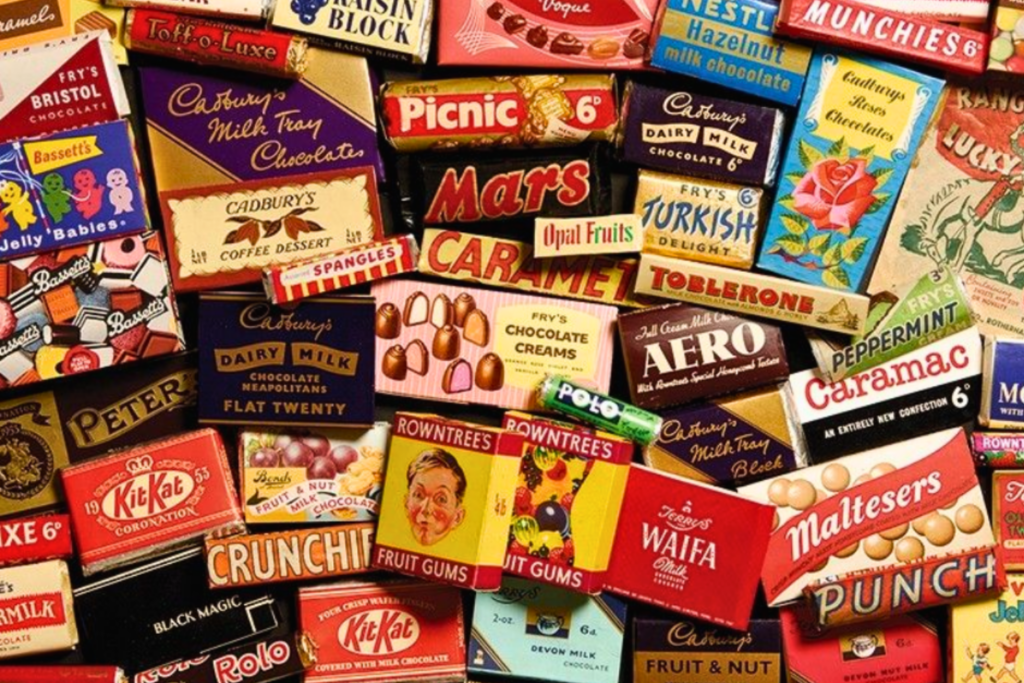
Why do these old-school sweets still tug at our hearts? Maybe it’s the simplicity, or maybe it’s the wild creativity. Sweet shops back then were treasure troves stuffed with penny sweets, sherbet surprises, and proper boiled sweets—each one full of real flavour and texture.
You can still hunt down these classics, whether you’re wandering a high street or scrolling online. Fizzy sherbet lemons, liquorice allsorts, all those treats that somehow taste like childhood itself. They’re a link to Britain’s sweet past, and honestly, some flavours just never get old.
What Makes British Sweets from the 50s, 60s and 70s So Special?
British sweets from these three decades weren’t shy. They came out swinging with bold flavours, and they built traditions that lasted way longer than the sweets themselves. Retro classics could turn any corner shop into a wonderland, and pocket money felt like a ticket to happiness.

The Unique Flavours of British Sweets
Sweet makers back then didn’t play it safe. Parma Violets? That strong floral punch either made you a fan for life or sent you running.
Sherbet was everywhere. Flying Saucers bursting with tangy powder, Sherbet Fountains with their liquorice sticks—those gave you a fizzy kick right on the tongue.
Fruit flavours ruled the scene. Love Hearts packed a punch in tiny tablets, and Opal Fruits (before they were Starburst) crammed strawberry, lemon, orange, and lime into chewy little squares.
Textures? All over the place. Black Jacks took some serious chewing, while Drumsticks played with hard and soft in one sweet.
Some combinations sounded odd but just worked. Fruit Salads mixed banana and pineapple in chews that became instant playground currency.
Nostalgia and Childhood Memories
There’s something about these retro classics—they just feel like simpler times. Kids would squirrel away pocket money all week, just to make that Saturday morning trip to the sweet shop.
Every sweet had its own little ritual. Sherbet Fountains needed a steady hand (unless you wanted a mess), and Love Hearts always got a laugh with their cheeky messages.
Sharing mattered, too. Kids swapped flavours, saved favourites for friends, and made memories over paper bags of sweets.
Choosing was half the fun. Standing at the glass counter, weighing up your options, maybe the shopkeeper would give you an extra sweet if you were lucky.
Birthdays, school trips, family outings—there was always a stop at the sweet shop. It’s funny how those little rituals stick with you.
The Sweetie Shop Experience
Those corner sweetie shops—what a vibe. Wooden shelves lined with glass jars, all glowing under the lights, each one promising something different.
Shopkeepers knew everyone’s favourites. Sometimes they’d sneak an extra sweet into your bag, just because.
Pick and mix wasn’t really a thing yet, so you bought packets or picked out individual sweets. Each choice mattered more that way.
Paper bags were a big deal. Twisted at the top, keeping your sweets safe until you got home, or maybe just until you were out the door.
Sweets usually cost a penny, so even a bit of change meant you could stock up for days—if you didn’t eat them all at once.
These shops weren’t just for kids. Parents and grandparents had their favourites too, and you’d hear stories about their own childhood treats.
Iconic Chews and Penny Sweets We Still Love
Penny sweets—now that’s nostalgia. Chewy, bold, and a whole lot of fun for just a few coins. From tangy Black Jacks to fizzy Refreshers, these were the real highlights of a trip to the shop.

Fruit Salads and Black Jacks
Fruit Salads and Black Jacks—now there’s a duo. Both wrapped in wax paper you’d peel off with care.
Black Jacks? That aniseed hit turned your tongue black, and kids would show off their inky mouths like a badge of honour.
Fruit Salads went for a sweeter, banana-strawberry thing. If aniseed wasn’t your style, these were the safe bet.
Why they stood out:
- Only a penny each
- Wax paper wrappers you could never quite get off cleanly
- Flavours that lingered
- Small enough to stash in any pocket
They both had that tough, chewy texture that made one sweet last for ages—a good deal, really.
Drumstick Lollies and Wham Bars
Drumstick lollies—what a treat. Raspberry and milk flavours on a stick, with a chewy centre waiting underneath.
You’d work your way through the hard top, saving the chewy bit for last. Some kids tried to eat both at once, but I never managed.
Wham Bars? Those were a real jaw workout. Bright colours, wild flavours like strawberry and cola, and plenty of sticky fun.
Wham Bar flavours? Strawberry, cola, apple, cherry—just to name a few.
Kids traded these on the playground, or saved them for a rainy day. Sometimes you’d stash one away and forget about it until it turned up in your coat pocket.
Refreshers and Love Hearts
Refreshers showed up with that fizzy sherbet centre. You’d bite in, get the tang, and maybe wince a bit—but it was addictive.
The shell would melt fast, then you’d get hit with a sherbet burst. No wonder people kept coming back for more.
Love Hearts were all about the messages. Pastel colours, chalky texture, and those little phrases—“Be Mine,” “Kiss Me,” all that.
Some Love Hearts classics:
- “Kiss Me”
- “Be Mine”
- “Love You”
- “Hug Me”
Swizzels made them, and they were perfect for sharing, especially if you had a crush (or just wanted a laugh with your mates).
Chews and Pocket Money Treats
Pocket money made trips to the shop feel like an adventure. Rows of glass jars, all those colours—it was hard to choose.
Chews were the go-to. They lasted longer, so you got more bang for your buck.
Moam pieces, Starburst (still Opal Fruits for some of us), and all sorts of own-brand chews filled the shelves. Each one had its own feel—some soft, some that really tested your teeth.
How kids spent their pocket money:
- 5-10 penny sweets a week, if you were lucky
- A mix of chews and hard sweets
- Something special for the weekend
- Maybe a few extras for swapping at school
Looking back, picking your own sweets felt like a first step towards independence. Silly, but true.
Sherbet Surprises and Fizzy Favourites
Sherbet sweets—now that’s a blast from the past. Fizzy, tangy, and always a bit messy, these treats brought a whole lot of excitement to British sweet shops.

Sherbet Fountains and Flying Saucers
Sherbet Fountains—cardboard tubes full of fizzy powder and a liquorice stick for dipping. The trick was not to spill half of it on your shirt.
Kids loved the whole process: dip, lick, repeat. The mix of sweet liquorice and tangy sherbet just worked.
Flying Saucers landed in the 60s, all space-age and mysterious. Rice paper discs with sherbet inside, shaped like tiny UFOs.
The rice paper melted away, leaving a fizzy burst. With the space race in full swing, they felt almost futuristic.
Both ended up as regulars in sweet shops, and you could stretch your pocket money a long way with these.
Sherbet Lemons and Fizzy Sweets
Sherbet Lemons—hard, yellow, and packed with a sour centre. If you could wait for the shell to dissolve, you’d get that fizzy hit.
They looked as bright as they tasted. You’d suck on them for ages, hoping not to bite down too soon and risk a mouthful of sharp sherbet.
There were other fizzy sweets too—plastic fruit shapes full of powder, Fizzers, Dip Dabs. Each one had its own way of delivering that tang.
Fizzy Cola Bottles showed up in the 70s, mixing gummy texture with a sherbet coating. That was a new kind of treat, and honestly, it’s still hard to beat.
Some fizzy favourites:
- Sherbet Fruits (those plastic fruits)
- Fizzers
- Sherbet Dip Dabs
Rainbow Drops and Retro Sherbets
Rainbow Drops—tiny, colourful balls with a sherbet coating. Pour a handful in your mouth and you’d get an instant fizzy rush.
They came in all sorts of colours, each with its own fruit flavour. Perfect for parties, or just for showing off your blue tongue.
Sherbet came in all kinds of formats. Back in the 50s and 60s, shops sold loose powder in paper bags, or you’d get it in tubes with dipping sticks.
By the 50s, sherbet had gone mainstream. Sweet makers started branding it, and it became a staple of the corner shop.
Sherbet came as:
- Loose powder in bags
- Tubes with dipping sticks
- Hard sweets with sherbet inside
- Rice paper cases filled with powder
Beloved Boiled Sweets and Gummies
Boiled sweets and gummies—those were the backbone of any good sweet shop. Hand-pulled in copper pans, or shaped like milk bottles, they’re still enough to make anyone smile.
Pear Drops and Traditional Boiled Sweets
Pear drops—yellow and pink stripes, with that unmistakable pear flavour. Sweet makers boiled them up in copper pans, then hand-pulled the batch while it cooled.
Other boiled sweet legends:
- Rhubarb and Custard – tangy, colourful, and always a favourite
- Aniseed Balls – black, strong, and not for everyone
- Sherbet Lemons – hard shell, fizzy centre
Traditional confectioners stuck with natural flavours and colours. They’d boil the mix to just the right temperature, then shape it by hand. That’s why these sweets lasted so long—you had to work for them.
Most people remember buying them loose from jars. You’d watch the shopkeeper weigh them out, pressing your nose against the counter, hoping for an extra one.
Milk Bottles and Gummies
Milk bottle gummies—soft, creamy, and shaped like little bottles. They were a sweet shop staple, and honestly, it was hard not to finish the whole bag in one go.
Other gummy standouts:
- Jelly Babies – fruity, squishy, and always a mess
- Wine Gums – chewy, firm, and full of flavour
- Foam Shrimps – pink and white, with that weirdly satisfying texture
Gummies back then were tougher than today’s versions. You really had to chew them, and the milk bottles stood out for their creamy taste, a nice break from the usual fruit flavours.
Sweet makers took pride in getting the texture just right. Too soft and they’d vanish in a second, too hard and your jaw would ache. It was a fine line, and somehow, they usually nailed it.
Parma Violets and Unique Flavours
Parma violets—now there’s a sweet that started arguments at every playground. Those little purple tablets, chalky as old school blackboards, tasted just like perfume. Some folks swore by that floral kick, thanks to real violet essence, while others couldn’t get past the “soapy” punch.
Love Hearts had their own powdery thing going on, all wrapped up with cheesy little messages. Both had that unmistakable, slightly odd flavour that instantly whisked you back to being a kid, pockets full of change and big plans for the corner shop.
Other unique flavoured classics:
- Refreshers – those fizzy, chalky sticks that tickled your tongue
- Flying Saucers – edible paper UFOs stuffed with sherbet
- Blackjack – liquorice chews that dyed your teeth blacker than coal
British sweet makers really went for it, didn’t they? While other places stuck to chocolate, we got wild with flavours and textures. Sweets that tasted like flowers, or turned your mouth blue, or fizzed and popped—there was something a bit magical (or maybe just odd) about it all.
Liquorice and Timeless British Classics
Nothing says “British childhood” quite like a paper bag of sweets from the corner shop. From the 1950s through the 70s, liquorice allsorts sat front and centre, right next to old-school toffees and whatever new creation Swizzels had dreamed up.
Liquorice Allsorts and Classic Liquorice
Liquorice allsorts—those colourful, layered cubes and coconut rolls—just looked fun. Bassett’s blue and white packets lined up behind glass counters, tempting kids with their mix of flavours and that unmistakable aniseed kick.
Traditional liquorice came in all sorts of shapes and sizes:
- Liquorice wheels – flat spirals you could unroll
- Liquorice sticks – chewy, inky black strips
- Pontefract cakes – soft, round discs
- Liquorice torpedoes – little bullets of flavour
Some kids loved the strong taste, others… not so much. You’d spot children buying up liquorice bootlaces and Catherine wheels from penny sweet shops, clutching their change and hoping for just one more treat.
Sweet makers stuck to old recipes, passing down their secrets from one generation to the next. Maybe that’s why, even now, people still crave that proper, old-fashioned liquorice taste.
Toffee and Timeless Treats
Toffee just feels like a British tradition, doesn’t it? Cadbury led the charge with toffees that filled every family’s sweet jar. Quality Street—back when it was Mackintosh’s—changed everything. That purple-wrapped toffee penny? The green triangle? They were more than just sweets; they were part of every celebration.
The toffee lineup was a thing of beauty:
- Butter toffees – so creamy, you could almost taste the nostalgia
- Treacle toffees – dark, sticky, and a bit mysterious
- Honeycomb toffees – light, crunchy, and impossible to eat quietly
- Toffee apples – sticky fairground memories on a stick
Plenty of families made their own toffee at home, especially when Bonfire Night rolled around. The smell of bubbling sugar and butter filled kitchens, and kids waited (not so patiently) for the tray to cool.
Hard toffees took real patience—no biting, just slow, careful dissolving. It was almost a rite of passage, learning to savour that sweet, buttery taste without cracking a tooth.
Swizzels and Famous Brands
Swizzels really found its stride back in the 1960s and 70s, shaking up the sweet aisle with a flair for the unexpected. If you grew up in Britain, chances are you remember those treats that seemed to make every lunch break just a bit brighter.
Love Hearts with their cheeky printed messages, Parma Violets with that unmistakable floral kick—these weren’t just sweets, they were a kind of playground currency. Who didn’t trade a Drumstick for a handful of Fizzers at least once?
Popular Swizzels products:
| Sweet | Launch Era | Key Feature |
|---|---|---|
| Love Hearts | 1950s | Romantic messages |
| Parma Violets | 1960s | Violet flavour |
| Drumstick Lollies | 1960s | Milk and raspberry |
Swizzels seemed to have a knack for reading what kids actually wanted. They churned out sweets that were fun to eat, easy to swap, and just a little bit mischievous.
Instead of sticking to the old-school look, they splashed their wrappers with bold colours and packed in flavours that practically shouted for attention. That modern style made their sweets feel fresh, even if you’d seen them in your mum’s handbag for years.
And honestly, there was something magical about those interactive touches—a secret message under the wrapper, a funny shape you’d never seen before. Eating a Swizzels sweet wasn’t just a snack; it was a tiny adventure, tucked into your pocket.






Leave a Reply