
The Generation Game—now there’s a show that glued families to the telly for what felt like forever. And if you remember anything, it’s probably the conveyor belt, and, of course, that cuddly toy. The conveyor belt round somehow made stuff like toasters, tea sets, and that one fluffy bear into the most sought-after prizes on British TV. Contestants had seconds to memorise everything as it slid by, but really, everyone just wanted the cuddly toy.
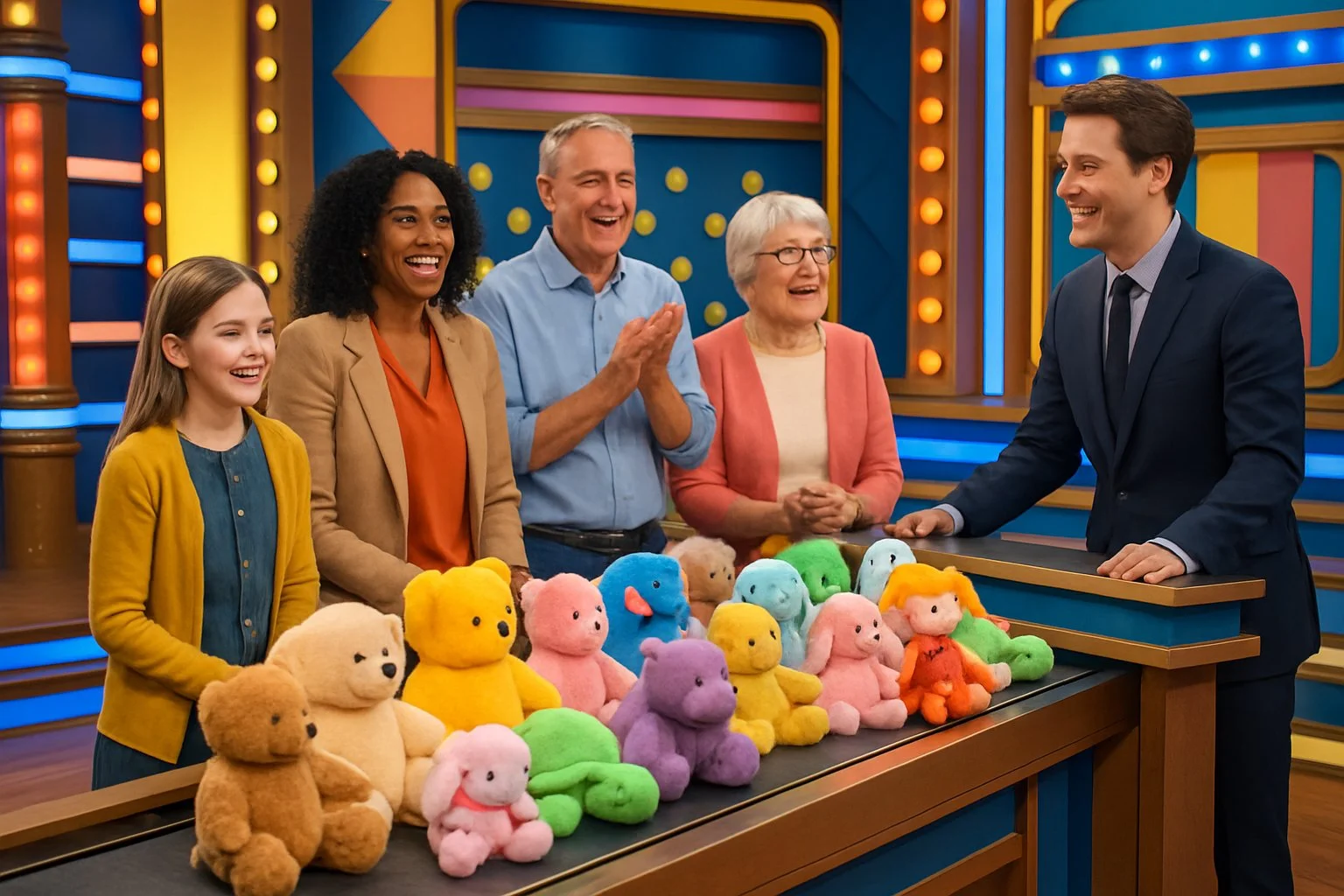
Back in 1971, the show kicked off and quickly turned into must-see TV for millions. Contestants did all sorts—Maori war dances, shaving balloons dressed as Santa, throwing themselves into pottery with the clock ticking. The premise? Simple: families took on daft challenges, and the winners faced that conveyor belt memory test at the end.
The hosts became legends, and contestants? Well, many still have their battered cuddly toys tucked away somewhere, decades later. The Generation Game really captured that old-school British telly magic—the thrill of seeing everyday folks have a laugh, chasing after prizes they never even thought to want.
The Generation Game: Origins and Format

Families gathered in living rooms, drawn in by a show that mixed silly games with a touch of competition, starting back in 1971 and running for years. The rules were straightforward, but the charm was in the chaos and the family teams.
How the Generation Game Began
The show made its debut on BBC on 2 October 1971. Funny thing—it wasn’t even a British invention, but borrowed from a Dutch game show.
Bruce Forsyth stepped up as the first host and stayed until ‘77. His warmth and quick wit just worked. He helped turn the show into a Saturday night staple for so many families.
After Bruce, Larry Grayson took the reins from 1978 to 1982, then Jim Davidson from 1995 to 2001, and even Graham Norton had a go in 2005. Bruce popped back for a few specials too.
The Unique Family Dynamic
Every team needed at least two generations—so you’d get all sorts: grandma and grandson, mother and son, uncle and niece. Each team also needed both a male and a female, which kept things interesting.
Four families competed each episode. The mix of ages and relationships led to some properly funny moments—especially when you saw a grandad and granddaughter both floundering through the same daft task.
Key Rules and Gameplay Structure
Contestants jumped into a string of challenges, from crafts to performances, and judges would score them on how well—or how badly—they did.
The top two families moved on to a final round, usually something like a dance or a sketch.
Winners got their shot at the conveyor belt. They’d sit, eyes glued, as prizes rolled by—always including that cuddly toy.
Iconic Hosts: Bruce Forsyth and Larry Grayson

If you ask anyone who made The Generation Game what it was, they’ll say Bruce Forsyth or Larry Grayson. Bruce kicked it off in ‘71 with his showman’s flair, and Larry brought his own gentle touch when he took over in ‘78.
Bruce Forsyth’s Signature Style
Bruce Forsyth ran the show from the start in ‘71 until ‘77, and then again in 1990.
He had this knack for quick-fire jokes and reacting to whatever nonsense was happening. Contestants would try their hand at crafts or pottery, and Bruce would riff on their efforts, making everyone laugh—sometimes at themselves.
Bruce had a way with ordinary families, putting them at ease even when they were knee-deep in foam or glitter. His energy kept the whole thing rolling.
During Bruce’s run, over 25 million people tuned in—imagine that! It was the biggest game show on British TV.
The Legacy of Larry Grayson
Larry Grayson stepped in after Bruce in ‘78. His first episode filmed in June that year.
Larry brought something softer. He was gentle, and from what people say, he calmed contestants’ nerves straight away—even if he was probably a bit jittery himself.
Taking over from Bruce was no small thing, but Larry made it his own and kept the show buzzing through the late ‘70s and early ‘80s.
Changes with Different Presenters
Every host left their mark. Bruce was all fast-paced jokes and showbiz sparkle. Larry was more about warmth and a friendly word.
No matter who was at the helm, the core stayed the same: families, games, and that conveyor belt with its famous cuddly toy.
Both hosts managed to make Saturday nights feel a bit more special, turning simple family games into something the whole country wanted to watch.
The Magic of the Conveyor Belt and the Cuddly Toy
The conveyor belt round—now that was the bit everyone waited for. Contestants had just 45 seconds to soak in the prizes as they drifted past, and somehow, the cuddly toy became the star of British television.
How the Conveyor Belt Round Worked
The winning team would sit in front of these huge silver doors. When they swung open, out came the conveyor belt, prizes gliding past—sometimes useful, sometimes just odd.
As soon as the last prize disappeared, the doors closed. Contestants had 45 seconds to rattle off as many items as they could remember. If they named it, they won it.
The tension was real. Families at home would play along, shouting at the telly, convinced they could do better. It was simple, but it worked. Every time.
Memorable Prizes and the Famous Cuddly Toy
The belt was a jumble of practical and posh. Toasters, kettles, TVs, the occasional holiday, jewellery, or something random like a fondue set.
But the cuddly toy? That was the one. People still say “and a cuddly toy!” as a punchline. It wasn’t worth the most, but it stuck in everyone’s memory.
Sometimes the prizes got weird—tea sets, garden tools, stuff you’d never buy for yourself. It kept everyone guessing.
Preparation Techniques and Winning Stories
Contestants came up with all sorts of memory tricks—rhymes, stories, grouping similar items. Some just hoped for the best.
The calm ones usually did best. They’d start with the obvious, then try to dredge up the rest. Sometimes the kids remembered more than the adults.
Families would practice at home, scribbling lists, timing each other. The conveyor belt turned memory into a proper family sport, even if just for one night.
Why We All Wanted to Be on The Generation Game
The Generation Game wasn’t just about the prizes. It was a shot at TV stardom for the whole family—a chance to make memories that, honestly, have stuck around for decades.
The Allure of Prime-Time Fame
To be on The Generation Game was to step into the limelight, right in the middle of the BBC’s Saturday night. Back then, being on TV was a big deal. Sally Steve, who won in ‘77, said people at school wanted her autograph after she was on.
The show treated contestants like VIPs. Each family got £25 to buy new clothes before filming—not a small sum in the ‘70s. They toured the BBC studios, spent a whole day feeling part of something bigger than themselves.
The cameras caught everything—awkward dances, hilarious fails, the lot. It wasn’t just watching telly, it was being on it, with millions watching you have a laugh (or make a fool of yourself).
Family Memories and Shared Experiences
The format forced families to team up with relatives they might not usually hang out with. Two generations, both a bloke and a woman—so you’d get all sorts of combos.
Together, they faced everything from shaving foam balloons to wild dance routines. The disasters and triumphs became family stories for years. Sally Steve still has her cuddly toy, a bit battered now, but it reminds her of competing with her dad just after her mum passed away.
The Generation Game wasn’t just a show. It was a memory machine, pulling families together for a bit of fun, and a lot of laughs.
Cultural Impact and Lasting Appeal
The Generation Game pulled British families together in a way that feels almost impossible now. Saturday evenings revolved around it; you could practically hear the theme tune drifting from every living room window on the street. There was something about gathering in front of the telly, everyone shouting out answers, that just made the whole thing feel like a proper event.
Who could forget those catchphrases, or the legendary cuddly toy? The conveyor belt round—now that was tense. You didn’t even have to be on the show to get caught up in the excitement, squinting at the screen and trying to remember what flashed by. It’s funny how those little moments stick with you, even years later.
The magic didn’t fade, either. The show kept rolling from the ‘70s right into the 2000s, swapping hosts but never losing that spark. It’s hard not to miss the days when something as simple as a game show could bring everyone together like that.






Leave a Reply