
In the 1970s, families gathered in their living rooms not just to watch television, but to learn something.
Programmes like Nationwide and publications such as Consumer Reports became trusted guides that helped ordinary people make sense of home decorating, product choices, and modern living. These weren’t just entertainment—they were gentle lessons delivered right where people felt most comfortable.
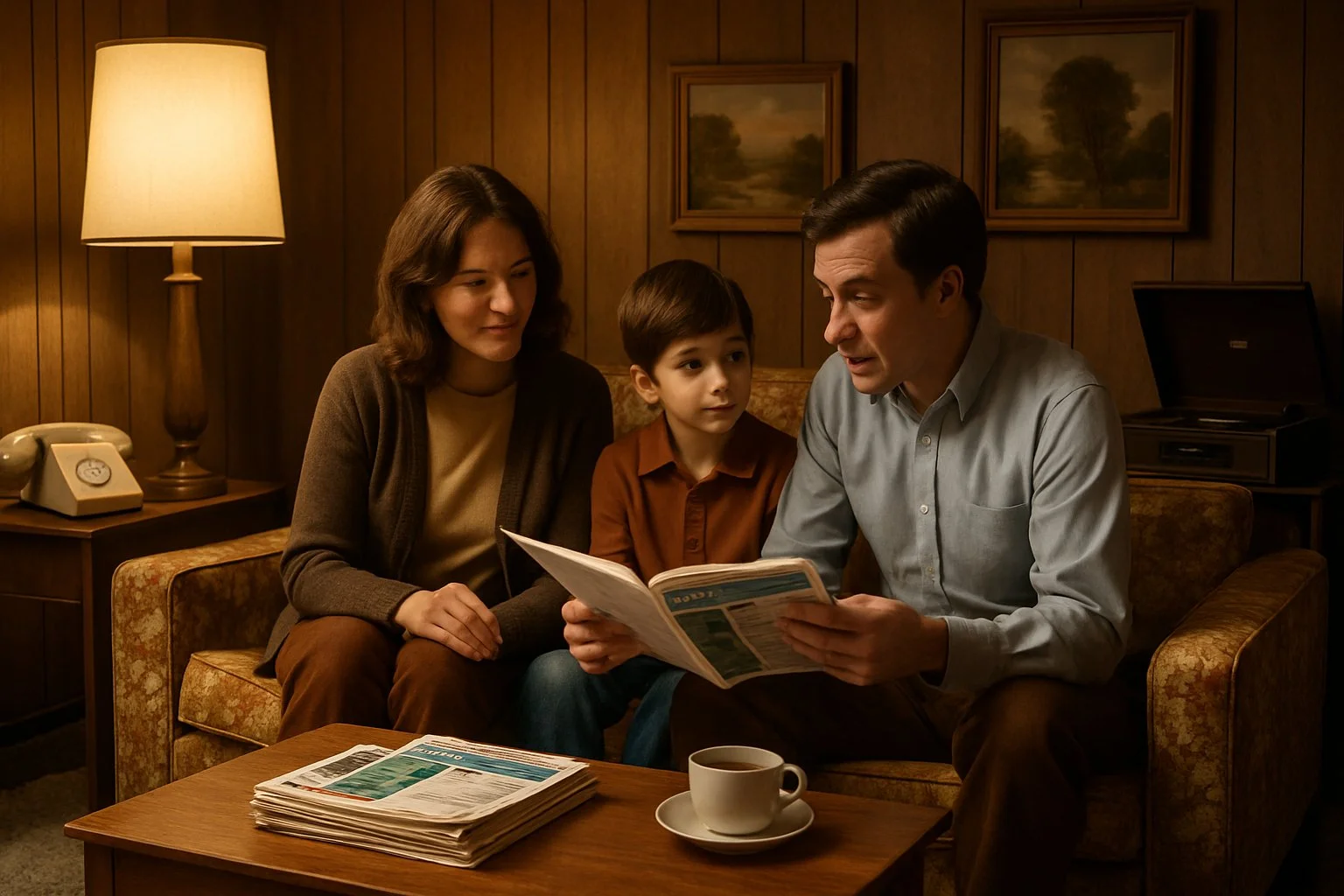
Television programmes and consumer magazines of the 1970s transformed living rooms into informal classrooms, where families absorbed advice about everything from choosing furniture to creating the perfect home atmosphere.
The decade saw more people owning homes, and these media sources filled a real need for practical guidance. Whether Brian Ash reported from the Barbican Estate or consumer experts tested everyday products, these trusted voices shaped how an entire generation thought about their homes.
Looking back, those burnt orange sofas and wood-panelled walls weren’t just design choices—they set the stage for a unique moment in time. The 1970s living room was where bold patterns met practical advice, and where families made decisions that turned houses into homes.
Nationwide, Consumer Reports, and the Secret Lectures We Cherished
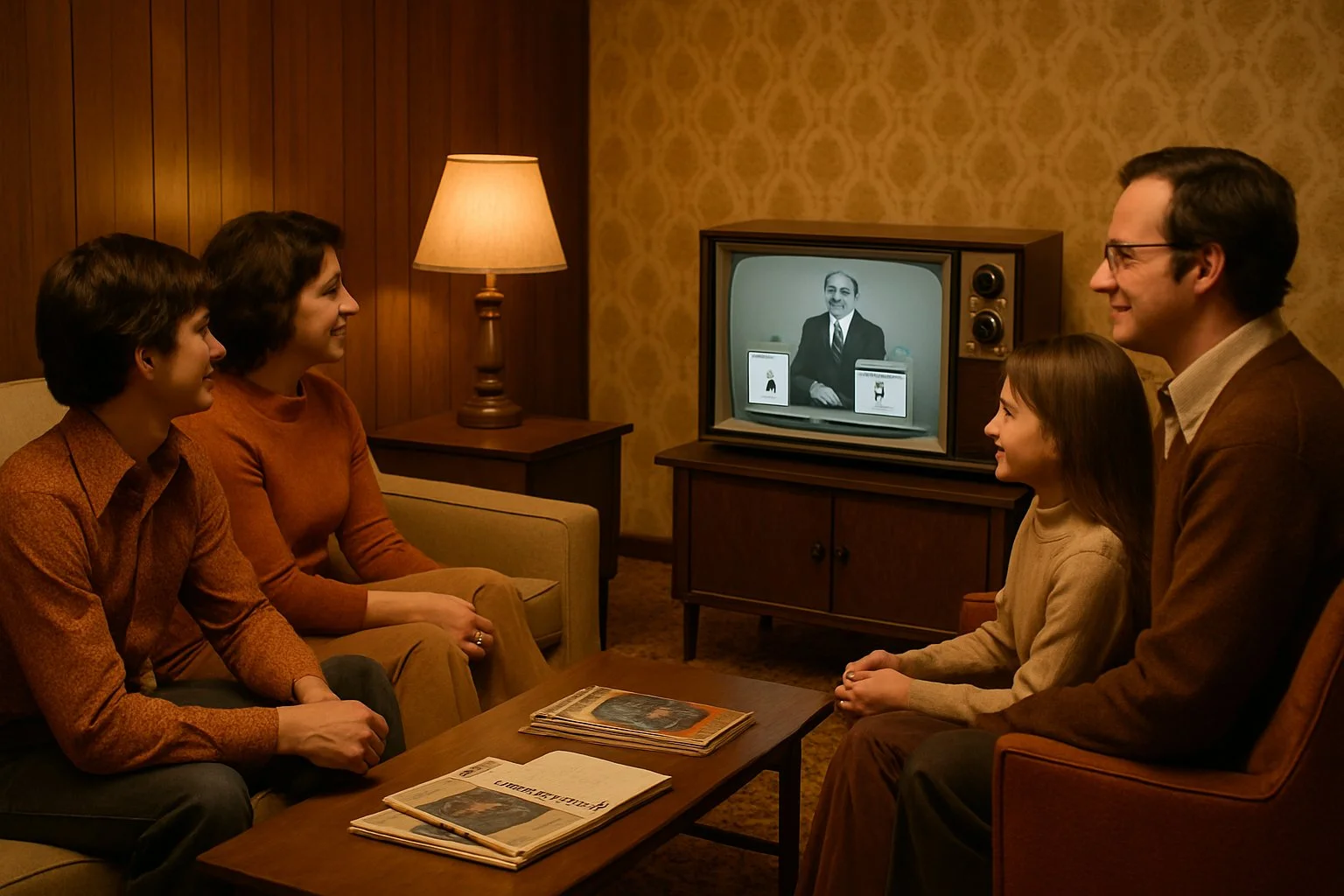
Nationwide turned teatime telly into an educational experience that millions welcomed into their homes, while consumer reports became the unexpected highlight that transformed topics like car costs and pocket money into surprisingly compelling viewing.
The Impact of Nationwide on British Living Rooms
Nationwide launched on 9 September 1969 and quickly became a fixture of early evening television. The programme aired after the news and ran until 5 August 1983, spanning 14 years of British life.
Families gathered round their sets to watch presenters like Michael Barratt, Frank Bough, and Sue Lawley explore everything from serious investigations to lighter fare. The show reflected a changing Britain, introducing viewers to unfamiliar foods like sweet potatoes and documenting new housing developments like the Barbican Estate.
Nationwide mixed consumer journalism with human interest stories and covered all regions of the United Kingdom, making it truly nationwide in scope. This approach helped ordinary people see themselves and their concerns reflected on screen, and it created this odd sense of shared national experience during teatime.
Memorable Consumer Reports Segments
On 13 January 1970, Nationwide tackled the shocking costs of running a car, calculating that it cost £10 per week. The segment asked: “You could buy a house for less, couldn’t you?”
The show dug into credit checks in 1970, explaining how computers would store personal and financial details for four out of every five people. A school discussion about pocket money on 14 July 1970 featured children debating economics with surprising sophistication. The programme even examined Saltburn’s halfpenny toll bridge, showing that no consumer issue was too small for coverage.
These segments made dry financial topics accessible and interesting to average viewers.
How Living-Room Lectures Became Cultural Touchstones
Nationwide documented crazes that swept the nation, turning fleeting trends into preserved memories. The programme covered Clackers on 5 October 1971—those dangerous toys that modern children would probably never understand. It explained skateboarding and even asked “What is jogging?” as new activities emerged.
The show became famous for odd stories like Herbie the skateboarding duck in 1978. When Herbie died in 1983, Sue Lawley delivered a memorial that proved just how deeply these segments had connected with viewers. The tale of Rickinghall Inferior and Rickinghall Superior on 2 June 1971 turned a local dispute into entertainment that highlighted British eccentricity.
These moments became reference points for an entire generation, shaping how they remembered the 1970s and early 1980s.
Defining the 1970s Living Room: Iconic Decor and Everyday Comforts
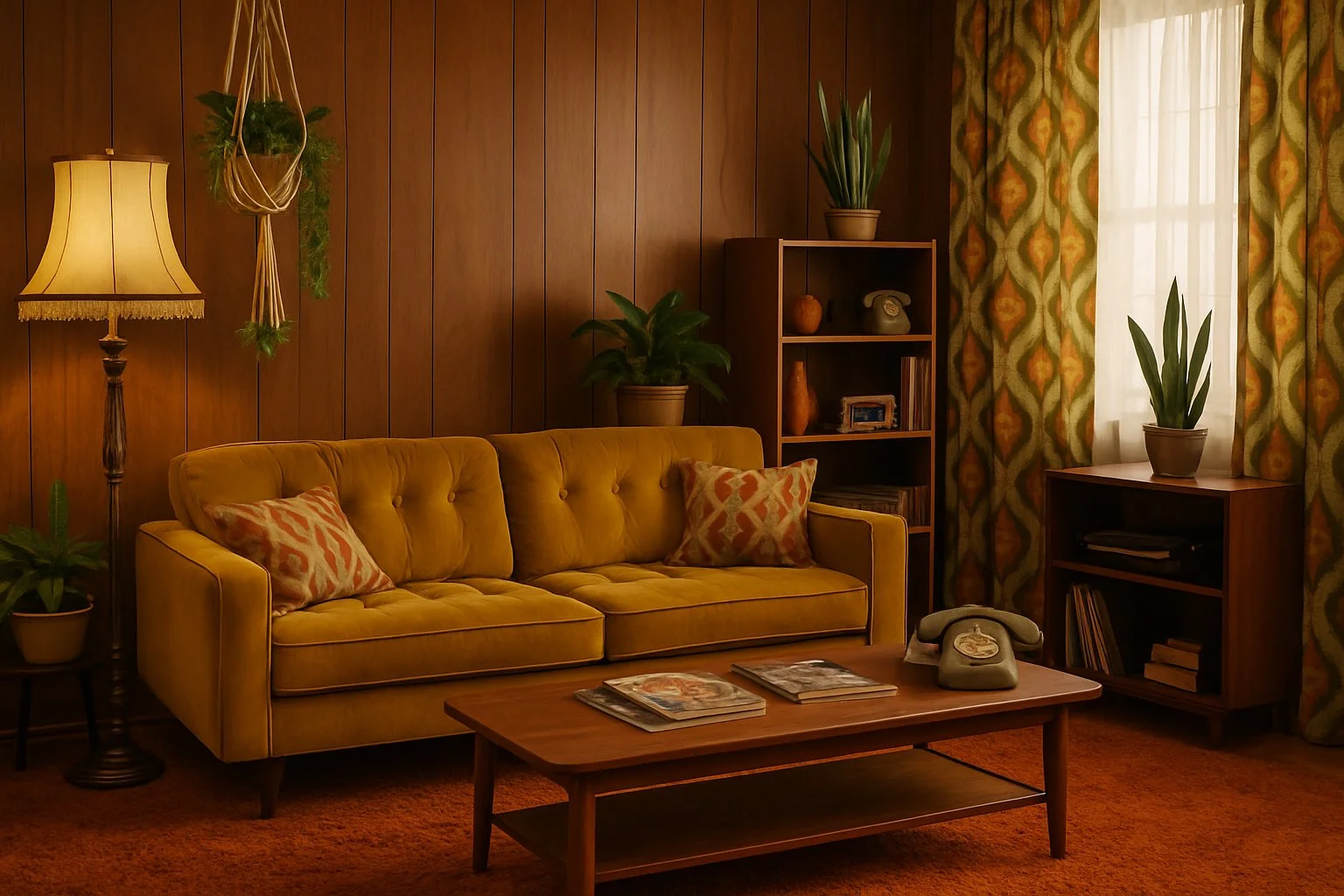
The 1970s living room stood out with bold colour choices like avocado green and harvest gold, paired with tactile materials that made spaces feel warm and inviting. These rooms featured chunky furniture designed for lounging and conversation, from bean bag chairs to modular sofas that encouraged family gatherings.
Avocado Green and Harvest Gold: The Era’s Favourite Hues
Avocado green and harvest gold dominated 1970s colour palettes. These earthy tones showed up on everything from sofas to kitchen appliances.
Homeowners picked these shades because they brought natural warmth into their spaces. Avocado green was especially popular for upholstered furniture and kitchen fixtures. Harvest gold appeared on walls, curtains, and decorative accents.
These hues often lived together in the same room. Burnt orange and chocolate brown joined the palette, creating rich, layered schemes. Teal and mustard yellow added variety for those who wanted something a little different.
The colours fit the decade’s interest in nature and organic living—they felt grounded and comfortable, not stark or cold.
Wood Panelling and Shag Carpeting: Bringing Warmth Home
Wood paneling covered walls in countless homes during the decade. People chose both real wood and faux finishes, bringing an earthy feel to living spaces.
The paneling created cosy, den-like atmospheres that families found appealing. Dark wood varieties were especially common, though sometimes they made rooms feel smaller and a bit gloomier than intended.
Shag carpeting became another defining feature of 1970s living rooms. The thick, plush fibres came in various colours, from neutral beiges to bold oranges and greens. Shag carpets felt luxurious underfoot and added texture to room designs.
Both elements worked together to create warm, tactile environments. The combination gave living rooms a casual, comfortable feeling that suited the era’s relaxed lifestyle.
Bean Bag Chairs and Oversized Furniture: Relaxing in Style
Bean bag chairs offered flexible, fun seating that appealed to both children and adults. These vinyl or fabric sacks filled with polystyrene beads moulded to the body, creating casual spots for reading or watching television.
The furniture of this era prioritised comfort over formality. Chunky sofas with low profiles invited people to sink in and stay a while. Voluminous designs made rooms feel lived-in rather than stuffy.
Families wanted spaces where everyone could relax without worry. Oversized furniture meant more people could gather comfortably for telly programmes or games.
This shift away from stiff, formal furniture reflected broader social changes. Living rooms became spaces for genuine comfort rather than just entertaining guests.
The Role of Modular Sofas and Conversation Pits
Modular sofas gained popularity because they offered flexibility in arranging seating. People could rearrange sections to suit different occasions or room layouts. Famous designs like the Camaleonda featured curved sections that created flowing, organic shapes.
These sofas came in bright colours and rich fabrics like velvet. The chunky profiles provided excellent support for lounging.
Conversation pits took the concept even further by creating sunken seating areas. These built-in features dropped below floor level and surrounded guests on all sides. They encouraged face-to-face interaction during gatherings.
Both features showed how 1970s design valued social connection. The furniture arrangements made it easy for people to chat and spend time together, turning living rooms into true gathering spaces for families and friends.
Touchstones of 1970s Aesthetic: Signature Accessories and Textures
The 1970s brought distinct decorative elements that transformed ordinary living rooms into spaces of self-expression. These accessories and textures defined the era through bold lighting choices, natural textiles, and eye-catching patterns that remain recognisable today.
Lava Lamps and Mood Lighting: Creating Groovy Ambience
Lava lamps became the quintessential symbol of 1970s lighting. These hypnotic fixtures featured coloured wax that slowly bubbled and morphed inside glass containers, creating a mesmerising focal point in any room.
The appeal went beyond simple decoration. Lava lamps provided soft, ambient light that suited the decade’s preference for relaxed, intimate spaces. Homeowners often placed them on side tables or shelves where they could be admired from sofas and chairs.
Mood lighting extended beyond lava lamps to include coloured glass pendant lights and dimmer switches. Sunburst chandeliers with brass or gold finishes added glamour while letting occupants control the atmosphere. These lighting choices worked together to create warm, inviting environments that felt both modern and comfortable.
Macramé Plant Hangers: The Bohemian Flourish
Macramé plant hangers embodied the era’s bohemian spirit through intricate knotted designs. These textile creations suspended potted plants at various heights, bringing greenery into living spaces in an artistic way.
The craft involved knotting cotton or jute cord into patterns ranging from simple to complex. Popular plants for these hangers included spider plants, philodendrons, and trailing pothos. The combination of natural fibres and living plants reflected the decade’s growing environmental awareness.
Homeowners often grouped multiple macramé hangers near windows or in corners. This created vertical gardens that maximised limited floor space whilst adding texture and visual interest to walls.
Geometric Patterns in Wallpaper and Soft Furnishings
Geometric patterns dominated 1970s interiors through bold, repeating shapes. Wallpaper featured chevrons, circles, and hexagons in contrasting colours like burnt orange, avocado green, and brown.
These patterns appeared on throw pillows, curtains, and upholstery fabrics. Designers often mixed geometric prints with floral or paisley motifs to create eclectic, layered looks. The key was balance—pairing busy patterns with solid colours kept rooms from feeling overwhelming.
Textured fabrics like corduroy and velvet added depth to geometric designs. A velvet sofa with circular patterns or corduroy cushions featuring diamond shapes created tactile interest that complemented the visual impact of the prints themselves.
Lasting Influence and Modern Revival of 1970s Living Room Trends
The 1970s living room has moved from outdated to desirable in today’s homes. Earth tones, vintage furniture, and sustainable practices from that era now shape how people decorate their spaces.
Legacy of 1970s Living-Room Style in Today’s Homes
Furniture retailers say the 1970s remains the most influential decade for interior design. The era’s signature elements have returned with fresh interpretations that fit modern living.
Key elements making a comeback include:
- Low-slung sofas with curved lines
- Rattan and wicker furniture pieces
- Shag carpets in updated neutral tones
- Bold floral and geometric patterns
- Warm colour palettes featuring oranges, browns, and greens
Major retailers like West Elm and Anthropologie now stock 1970s-inspired pieces in their collections. Demand for vintage and retro furniture has jumped by 30% over the past three years. Younger homeowners, especially those in their thirties, actively seek these nostalgic elements for their spaces.
The original avocado green appliances and mustard-coloured carpets have evolved into more subtle interpretations. Today’s versions blend retro charm with contemporary functionality, so spaces feel both familiar and fresh.
Sustainable Design and Vintage Decor Comebacks
The 1970s environmental movement—remember when Greenpeace was just getting started and everyone seemed to talk about “ecological awareness”? That whole era fits hand-in-glove with today’s push for sustainability. Maybe that’s why so many of us, especially if we’re a bit nostalgic, keep gravitating toward vintage 1970s pieces. There’s something about them that just feels right for anyone who cares about the planet.
When you pick up a vintage chair or lamp, you’re not just saving it from a landfill. You’re skipping the whole cycle of new manufacturing, which means less waste and a smaller carbon footprint. And let’s be honest—furniture from the ’70s was built to last. The craftsmanship back then? You can still feel it in the weight and finish. Plus, all those natural materials—wood, rattan, cork—were everywhere in that decade. Funny how those earthy textures and tones are back in style, right? Maybe we’re all just craving a little more warmth and authenticity.
Social media’s thrown fuel on this revival. Scroll through #RetroDecor or #SeventiesStyle and you’ll see people proudly showing off their thrifted treasures and DIY restoration projects. Influencers are mixing bold 1970s statement pieces with today’s cleaner lines, making it easy for anyone to try out the look—no matter your budget or how much room you’ve got.




Leave a Reply