
Play for Today ran on BBC1 from 1970 to 1984, broadcasting over three hundred original dramas and adaptations that showed audiences a raw, unflinching version of British life. Funny thing, though—it actually started on Thursdays, not Wednesdays, but it carried the rebellious DNA of its predecessor, The Wednesday Play. If you grew up in that era, you’ll remember how this drama strand shoved difficult topics and real social issues right onto the family telly, whether you were ready for them or not.
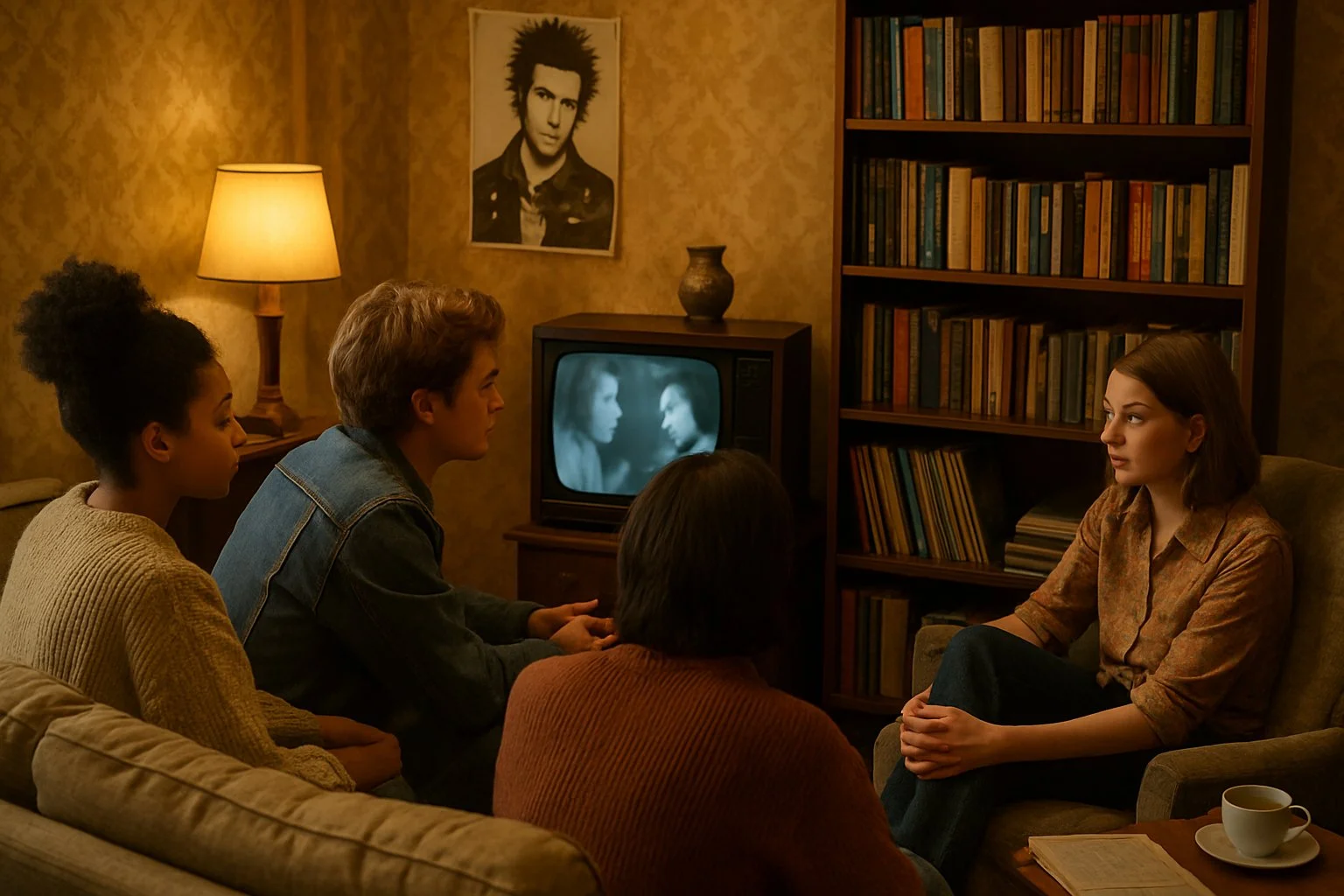
Kids and teens who managed to sneak a look on those Thursday nights got a real eyeful—stories about poverty, politics, class conflict, and everyday struggles that most TV shows wouldn’t touch. Play for Today became a bit of a laboratory for writers and directors who wanted to try something bold, gritty, or just plain honest about Britain.
How Play for Today Shaped British Television

From 1970 to 1984, Play for Today shook up British TV by letting creative types loose with controversial topics and new ways of telling stories. The series took the baton from The Wednesday Play and ran with it, opening the door for writers and directors to challenge audiences with drama that felt urgent and real.
Origins and BBC’s Role
On 15 October 1970, Play for Today hit the air as a direct follow-on from The Wednesday Play. The BBC just shuffled it from Wednesdays to Thursdays and slapped on a new name—one that signaled its focus on current British life.
The show ran until 1984 and aired more than 300 original plays. The BBC made it their drama flagship, pouring in resources and giving it a prime-time slot. That kind of backing meant millions tuned in each week—hard to imagine now, isn’t it?
The BBC didn’t just hand over airtime; they let producers dig into subjects other programmes left well alone. Directors like Michael Lindsay-Hogg, who’d done film and music videos, brought cinematic tricks to the small screen—suddenly TV drama looked and felt different.
Rotating Creators and Innovation
Play for Today felt like a playground for new talent. Each episode came from a different mix of writers, directors, and actors. No one team ran the show, so every week felt like a surprise.
Mike Leigh, for instance, brought his improv-heavy approach—letting actors build their characters over weeks of rehearsal before filming. That gave performances a rawness you just didn’t see in most scripted TV.
Because the creative teams changed, you never really knew what you’d get. One week, a kitchen-sink drama about working-class families; the next, something experimental and a bit baffling. That unpredictability kept people watching and drew in creative folks who wanted to try something new.
Impact on Viewership and Society
Millions of people watched Play for Today every week. This wasn’t some late-night oddity—these plays landed right in the heart of British homes.
Critics and academics started to see TV drama as something more than fluff. Suddenly, people talked about television with the same seriousness as theatre or film. A Hole in Babylon (1979), for example, put Black political struggles in front of mainstream viewers—primetime, no less.
Play for Today proved that audiences could handle tough subjects: unemployment, racism, class conflict, political corruption. British TV drama still echoes with that legacy.
Revealing The Britain Adults Didn’t Want Us to See

Play for Today didn’t just nudge boundaries—it kicked them down. The series dragged homelessness, alcoholism, state neglect, and working-class struggles into the living room. Suddenly, people who rarely got a voice on TV were impossible to ignore.
Groundbreaking Social Themes
Some subjects just weren’t done on television back then. The Inebriate Woman (1971) followed a homeless alcoholic woman through London, laying bare the misery and bleakness without a hint of sugar-coating. Alan Clarke directed it with a kind of brutal honesty that still stings.
The Spongers (1978) ripped into the welfare system, showing a single mum struggling to keep her disabled daughter cared for as benefits dried up. It made a mockery of government promises and showed the real pain behind the headlines.
Destiny (1978) stared straight at the rise of far-right politics in Britain, poking at the ugly roots of racism and fascism at a time when most would rather look away.
Depiction of Resistance and Marginalised Voices
Colin Welland’s Leeds United! (1974) dramatized a real-life strike by Leeds clothing workers. Here were working women—factory hands, not posh types—fighting for fair pay and a bit of dignity. You didn’t see that every day.
The show often centered on people who pushed back—ordinary folks, not superheroes, standing up when they’d had enough. Scum (1977) showed the brutality inside youth detention centers, though the BBC got cold feet and refused to air it.
Working-class communities came across as layered and real, not just backdrops or stereotypes. People spoke in proper regional accents and faced the sort of money worries that felt painfully familiar.
Challenging Censorship and Expectations
Some plays ran into censorship or just plain nerves. Carson Country (1972), about Irish history, sat on the shelf for months while the BBC tiptoed around government ministers.
Alan Clarke, in particular, gave BBC execs headaches. He never softened the hard truths, and that led to plenty of arguments upstairs. But honestly, that friction was part of what made the series matter.
The plays didn’t spoon-feed the audience or tie things up neatly. They assumed viewers could handle ambiguity and discomfort—a rare bit of respect from TV.
Memorable Episodes and Creative Talents
Play for Today was a magnet for Britain’s best writers, directors, and actors, giving us TV that didn’t just entertain—it lingered. Some of its episodes and performances still feel fresh, even now.
Defining Plays and Their Legacy
A few plays became instant classics. Abigail’s Party (1977), starring Alison Steadman, still gets talked about. Her turn as Beverly, the anxious suburban hostess, nails a kind of social discomfort that never really goes away.
Dennis Potter’s Blue Remembered Hills (1979) cast adults as children, turning a nostalgic lens on childhood and exposing the cruelty that lurks beneath innocence. It was weird, bold, and unforgettable.
Jack Rosenthal’s Bar Mitzvah Boy (1976) followed a Jewish boy who bolts on the day of his bar mitzvah. The play won a BAFTA and showed how the series could explore cultural identity with real warmth.
Visionary Directors and Writers
Dennis Potter wrote several plays for the series, pushing viewers with complex stories and themes that most shows wouldn’t dare approach.
Directors like Stephen Frears, Alan Clarke, and Mike Leigh cut their teeth on Play for Today before making their names elsewhere. James MacTaggart, who directed Robin Redbreast (1970), helped set the tone for folk horror and pagan weirdness.
Writers such as Alan Bleasdale, Willy Russell, and David Hare used the strand to tackle unemployment, education, and class with scripts that balanced sharp commentary and watchability.
Notable Performances and Cultural Impact
The series launched careers and gave established actors a chance to stretch. Kenneth Branagh landed his first acting gig post-RADA in the Billy Plays set in Northern Ireland.
Patricia Hayes won a BAFTA for Edna, The Inebriate Woman (1971), her portrayal of a homeless alcoholic cutting right to the bone. John Le Mesurier took home Best Actor for Traitor the same year. These weren’t just good performances—they showed TV could do real drama.
Sometimes, the plays stirred up controversy. The Other Woman (1976) featured Jane Lapotaire and Lynne Frederick sharing a kiss—one of TV’s first honest depictions of lesbianism.
Experimentation in Genre and Form
Play for Today didn’t stick to one style. Penda’s Fen (1974) mashed up folk horror and coming-of-age drama, digging into English identity and sexuality with dreamlike flair.
Robin Redbreast (1970) brought pagan chills to the suburbs. The series even dabbled in sci-fi with The Flipside of Dominick Hide (1980). That willingness to jump genres kept the anthology lively and unpredictable.
Preservation, Lost Works, and Ongoing Legacy
The BBC’s archiving habits back then, well, left a lot to be desired. Still, Play for Today’s influence lingers, shaping how British drama gets made and remembered.
Archival Efforts and Lost Episodes
During the ‘70s and early ‘80s, the BBC wiped loads of Play for Today episodes—videotape was pricey, and storage space was tight. Nobody really thought these plays would matter decades later.
About 30 to 40 episodes are probably lost or incomplete. Some survive only as film copies, others as off-air recordings from collectors’ attics.
The BFI and BBC Archives have tried to track down missing episodes, reaching out to private collectors and poking around in the vaults of overseas broadcasters. Occasionally, an episode pops up in some unexpected place.
In the 2000s, the BBC started digitizing what they had left. A handful of plays made it onto DVD, finding new fans. Still, a lot of gems remain tucked away, out of reach, waiting for their moment in the light.
Influence on Modern Storytelling
Play for Today set a tone that British television just can’t seem to shake off. Those single dramas, the ones digging into social issues, became a familiar fixture—almost a rite of passage for writers who realized, sometimes with a bit of disbelief, that mainstream TV might actually let them poke at controversial topics.
There was a time when people doubted TV drama could ever match the artistic ambition of cinema, but Play for Today just went ahead and did it anyway. Later anthology series—think Black Mirror, Inside No. 9—clearly take a page from that bold, sometimes scrappy spirit.
Plenty of the writers and directors who cut their teeth on the series never really left their mark only there; they ended up shaping the whole landscape of British film and TV. That training ground vibe, a bit rough around the edges, somehow nurtured the kind of talent that would define British drama for years. Even now, you catch glimpses of its legacy in shows that aren’t afraid to mix sharp social commentary with stories that actually pull you in.






Leave a Reply