
On 2 June 1953, something magical swept across Britain. Families squeezed into living rooms, pubs overflowed, and neighbours who usually just nodded in passing suddenly found themselves side by side. The live television broadcast of Queen Elizabeth II’s coronation pulled in more than 20 million viewers—suddenly, television wasn’t just a novelty; it was the way to witness history, and everything about how we shared big moments shifted.
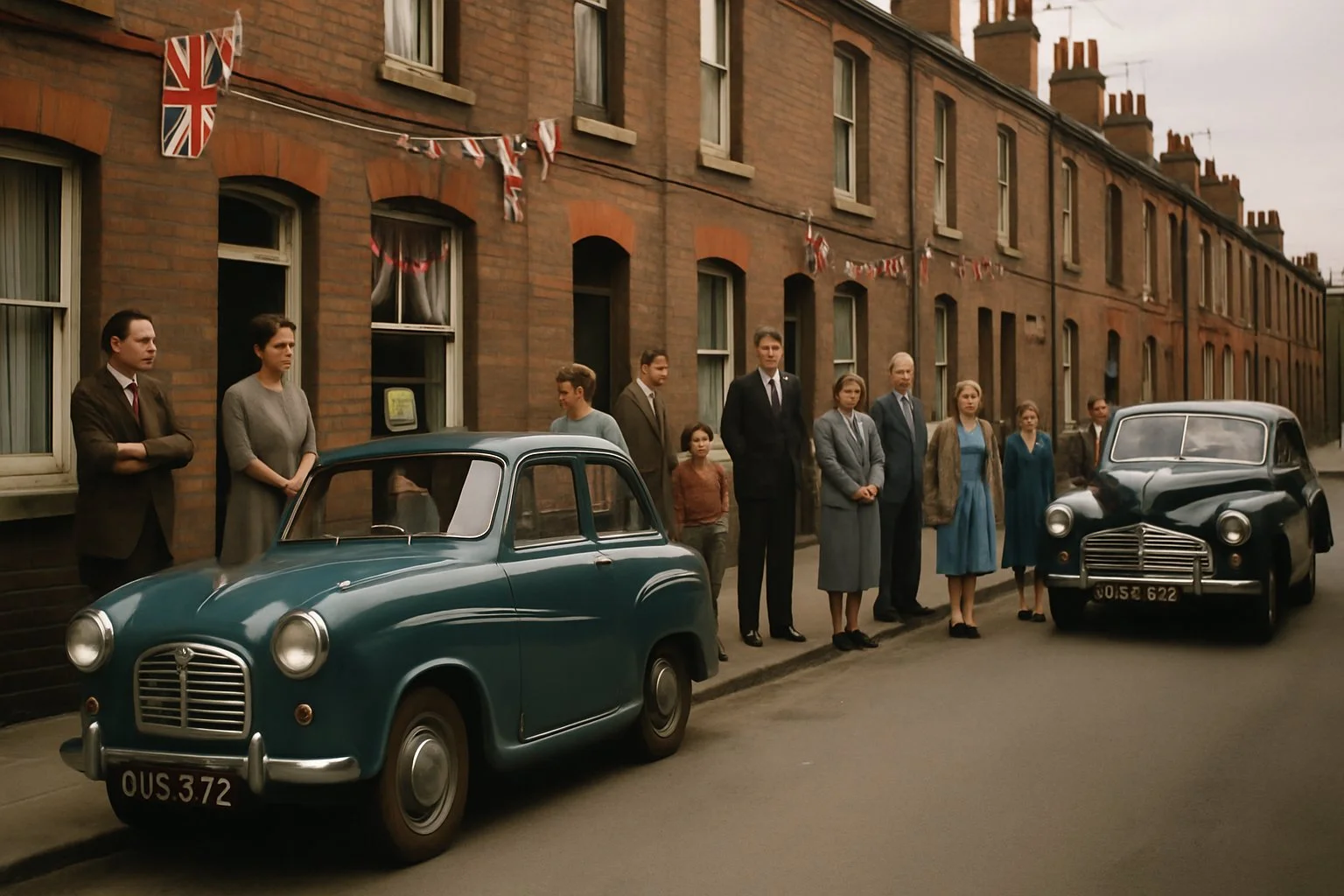
London absolutely buzzed with anticipation for days. People slept rough on the pavement just to catch a fleeting glimpse of the Queen’s procession. Inside Westminster Abbey, TV cameras captured moments that earlier generations could only imagine.
This broadcast stitched people together in a way that felt utterly new. Some squinted at tiny screens in their own front rooms, but millions more gathered with friends and strangers. The ripple reached far beyond Britain—85 million Americans caught the highlights, and other countries aired hours of coverage. It wasn’t just a coronation; it was a window into the future, hinting at how television would pull us all into the same living room for years to come.
The Historic 1953 Coronation Broadcast

The 2 June 1953 coronation of Queen Elizabeth II really did mark a new era. The BBC’s broadcast brought the Abbey’s solemn ceremony right into ordinary homes, changing how people experienced royal events forever.
How the BBC Changed History With Live Coverage
The BBC poured £44,000 into its operation for Coronation Day. That investment flipped television from a luxury into something everyone suddenly wanted. In just two months leading up to the big day, more TVs sold than ever before in Britain.
The broadcast pulled in 20.4 million viewers—over half of all British adults. For the first time, more people watched TV than listened to radio. In London and the Midlands, TV viewership tripled radio numbers.
BBC engineers set up cameras at key spots across London. Three watched from the Victoria Memorial as the procession left Buckingham Palace. Others dotted the Victoria Embankment and Hyde Park. The broadcast didn’t stop at the Channel—people in France, Belgium, the Netherlands, and West Germany tuned in too.
Queen Elizabeth II’s Role in the Televised Ceremony
Queen Elizabeth II allowed cameras into Westminster Abbey, even though some traditionalists grumbled it wasn’t proper for folks to watch such a sacred moment while sipping tea at home. Her decision changed everything.
Viewers saw intimate glimpses: her quiet “I am willing” during the oath, her hands turning pages in the order of service, that simple white handbag on the coach seat, and the golden Armill on her wrist when she waved from the balcony.
Commentators like Richard Dimbleby mostly let the images do the talking, especially when the Queen smiled from her golden coach. The whole thing felt respectful, never intrusive.
Inside Westminster Abbey: Challenges and Triumphs
Peter Dimmock directed the technical side from a makeshift control room next to the Abbey wall, mixing camera feeds to balance grandeur with quiet, human moments. The job called for a gentle touch—one slip and the magic was gone.
Four cameras squeezed into the Abbey’s ancient nooks; the BBC picked cameramen for their slight builds just to fit them in. Richard Dimbleby delivered commentary from a cramped cubicle high above the Coronation Theatre.
Camera Locations:
- One above the West Door, peering down the Nave
- Another in the Triforium, overlooking the Coronation Theatre
- Two more on the organ screen and South Transept
- One at the Annexe door, catching arrivals
Even the Archbishop of Canterbury admitted later that television fit religious observance better than he’d feared. The coverage faded out with a quiet shot of the empty Coronation Theatre—just stillness after a day of spectacle.
London’s Streets: The Atmosphere During the Coronation

London’s streets turned into a party stage as millions came out to witness history. Grey skies and bombed-out buildings lingered, but for a day, hope and togetherness took over.
Crowds and Community Along the Processional Route
Roughly three million people lined the streets, all hoping for a glimpse of the new Queen. The crowds stretched from Buckingham Palace to Westminster Abbey.
Some folks showed up days early, camping on the pavement with folding chairs, blankets, and flasks of tea. That kind of dedication said everything about what this meant to ordinary Londoners.
Street parties popped up everywhere. In Bethnal Green, Morpeth Street threw games of Blind Man’s Buff and set up long tables right in the road. Streatham’s children put on pageants, each class representing a different Commonwealth country.
The Gold State Coach rumbled through central London, and spectators crammed onto balconies and into shop windows. The vivid pageantry almost made you forget the bomb scars still marking the city.
Preparations and Anticipation in the City
Weeks before the coronation, London started to change. Bunting and decorations appeared along major roads, especially in places like Piccadilly, with images celebrating British identity. The Times later called it a “holiday from reality” for a country still scraping by.
The government did its bit, scrapping purchase tax on commemorative souvenirs. Shops filled with everything from sweet tins to fancy china. Officials even banned foreign-made souvenirs to help British manufacturers get a boost.
Public spaces set up viewing areas for the crowds. The BBC pulled off its biggest outside broadcast ever, sending coverage out in 44 languages.
Reflections on the Night Before the Coronation
On the night of 1 June 1953, London’s streets buzzed with anticipation. Thousands who’d staked out their spots along the route settled in for a chilly, uncomfortable night on the pavement.
Even with gloomy weather in the forecast, spirits stayed high. Neighbours swapped sandwiches and stories as they waited. There was this growing sense that everyone was part of something much bigger than themselves.
London still showed its wartime wounds, but the coronation brought splashes of colour and celebration. For one night, the grind of daily life faded behind the excitement building for morning.
How the Nation and World Watched Together
More than 20 million people tuned in for Queen Elizabeth II’s coronation, and hardly anyone watched alone. The BBC’s broadcast spilled out of living rooms, filling pubs, cinemas, and neighbours’ homes with shared excitement.
Sharing Television in Homes and Public Spaces
TVs were still rare in 1953, but that barely slowed anyone down. Around 10.4 million viewers crowded into friends’ or neighbours’ homes to watch. Families with televisions often hosted 50 or more guests—imagine that kind of squeeze.
Another 1.5 million flocked to public spaces. These gatherings brought people together in ways that just didn’t happen before. Suddenly, even folks who’d never seen a TV got to watch a national event unfold live.
Streets went eerily quiet as everyone huddled around those black-and-white screens. For a lot of people, it was the first time they truly felt how television could knit a whole community together.
Pubs and Cinemas: Gathering for the Broadcast
Pubs and cinemas turned into makeshift viewing halls. They offered bigger screens and comfy seats for those without a TV at home. The mood was festive—strangers cheered together, sharing the moment as the ceremony played out.
Cinema owners set up special screenings all day. Pubs packed in record crowds, with folks lingering for hours to catch every bit of the broadcast. The BBC made sure these venues had good coverage, so hardly anyone missed out.
The Broadcast’s International Reach
The BBC’s coverage reached all over the globe. In America, 85 million people watched the highlights. Germany aired all 11 hours, which still feels a bit staggering.
The BBC pulled together its biggest outside broadcast ever to share the coronation worldwide. Suddenly, countries everywhere were watching the same thing at the same time. It was one of the first truly global TV events, and you could feel the world shrinking just a little.
Legacy and Impact of the Coronation Broadcast
The 2 June 1953 coronation broadcast changed Britain in ways that still linger. Television stopped being a rich man’s toy and became something everyone wanted. The monarchy, for a moment, felt closer than ever.
Making Television Mainstream
Before the coronation, TVs were rare—mostly tucked away in wealthy homes in the southeast. But when the BBC announced it would air the coronation live, everything changed.
British manufacturers saw their chance. Suddenly, families who’d never thought about owning a TV wanted in. Nobody wanted to miss this historic moment. Neighbours squeezed into any house with a set.
That day, over 20 million watched, often crowded around a single screen. Streets fell silent as whole communities sat, transfixed. The BBC sent out more than 750 staff—commentators, engineers, support workers—to cover it from dawn till after midnight.
It’s hard not to feel a little wistful for those days when one broadcast could bring everyone together, if just for a moment. That coronation didn’t just crown a queen—it crowned television as the way Britain would share its biggest moments from then on.
The Modernisation of the Monarchy
The BBC cameras wandered into Westminster Abbey for the first time in 1953. That was unheard of back then. When George VI took the crown in 1937, cameras only caught the procession outside—no peeking inside.
Letting cameras into the Abbey sparked plenty of debate. The Royal Family, the Government, and the BBC all fretted about cameras getting too close to the monarch. Would it spoil the magic? Maybe ruin the ceremony’s dignity? No one really knew.
But honestly, it ended up doing the opposite. Suddenly, people at home felt swept up in the moment. Folks saw Queen Elizabeth II up close as she rode in her coach, catching every tiny detail of that age-old ceremony. It’s hard to describe, but there was this new, electric connection between the Queen and her people—almost like everyone was right there in the Abbey with her.
It’s funny how the monarchy managed to lean into modern technology without tossing out its traditions. That day set the tone for royal events to come, and honestly, it changed the way people felt about the Royal Family—maybe forever.






Leave a Reply