
Category: TV
-
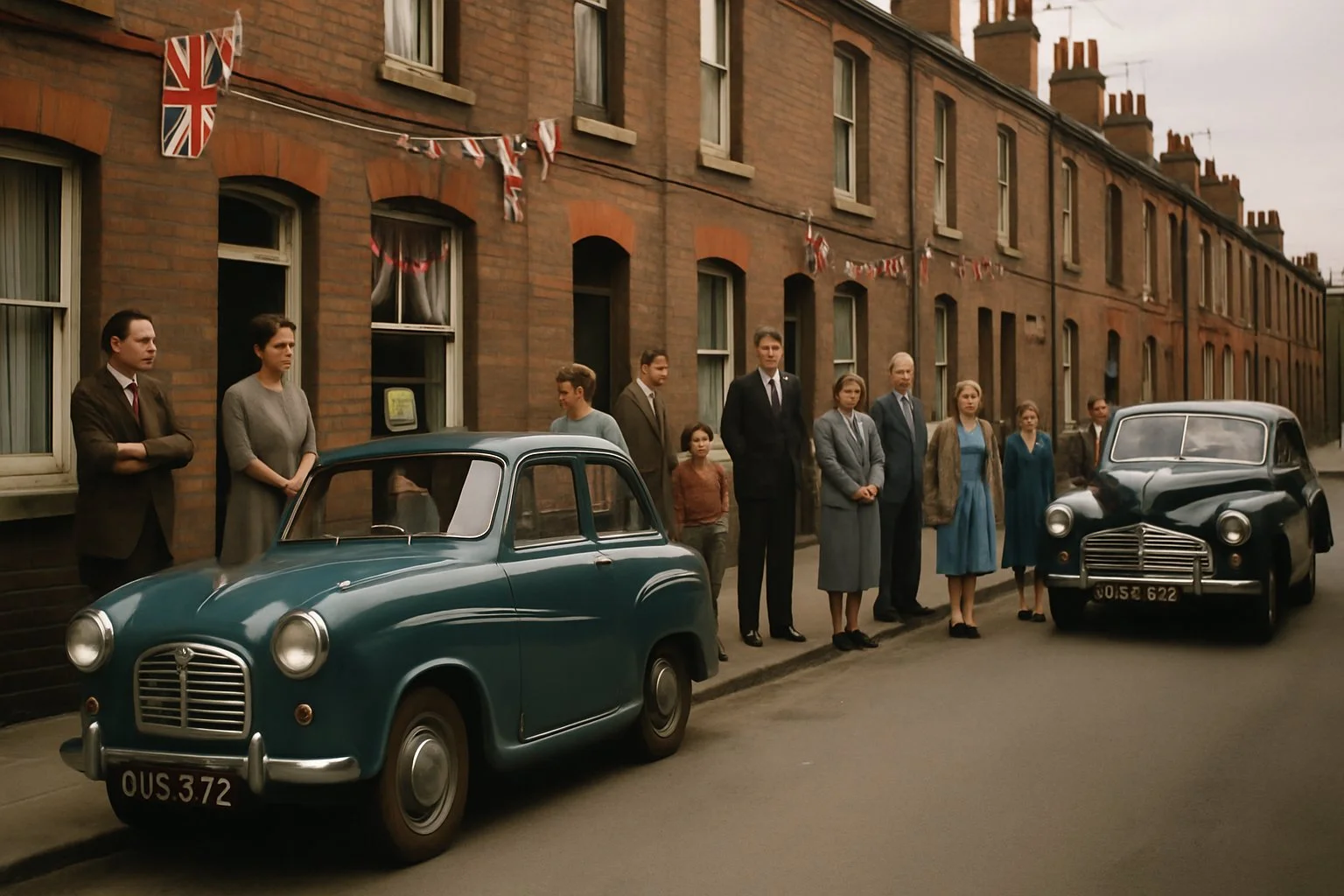
When the Whole Street Went Quiet: Remembering the 1953 Coronation Broadcast
On 2 June 1953, something magical swept across Britain. Families squeezed into living rooms, pubs overflowed, and neighbours who usually just nodded in passing suddenly found themselves side by side. The live television broadcast of Queen Elizabeth II’s coronation pulled in more than 20 million viewers—suddenly, television wasn’t just a novelty; it was the way…
-

Only When I Laugh: How 1970s Sitcom Hospital Wards Taught Us British Stoicism
When British television captured life in an NHS hospital ward in 1979, it did more than just entertain. Only When I Laugh used the tight, slightly claustrophobic space of a hospital to poke at how ordinary Britons faced discomfort, illness, and uncertainty with a mix of dark humour and quiet resilience—traits that sort of defined…
-

Watch with Mother: How Andy Pandy and Bill & Ben Owned Our 1950s Afternoons
Back in the early 1950s, British television offered something truly special for pre-school children and their mothers. Watch with Mother was the BBC’s first TV series aimed squarely at the youngest viewers, introducing puppet pals like Andy Pandy and Bill and Ben to living rooms all over Britain from 1952 to 1975. These short afternoon…
-

Sunday Night at the London Palladium: The Night Variety TV Ruled Britain
Back in the autumn of 1955, a TV programme arrived that would become a true British institution. Sunday Night at the London Palladium brought the glitz and excitement of live variety theatre right into millions of living rooms, fast becoming the nation’s favourite way to wrap up the weekend. It aired during the UK’s first…
-

Dixon of Dock Green and the Reassuring “Evening All” That Kept 1950s Kids in Line: The Legacy of a Gentle London Policeman
From 1955 to 1976, the BBC television series Dixon of Dock Green shaped how an entire generation of British children viewed the police, largely through the comforting greeting “Evening All” delivered by its kind-hearted protagonist, PC George Dixon. Actor Jack Warner brought the character to life with such warmth that parents would invoke Dixon’s name…
-

The Magic Roundabout: Five Minutes of Pure 1960s Psychedelia Before Tea
Just before the six o’clock news each evening, British families huddled around their TVs for five minutes of pure whimsy. The Magic Roundabout first aired on BBC Television on 18 October 1965 and ran until 1977, charming viewers with its peculiar characters, surreal humour, and dreamlike garden setting. The show started as a French stop-motion…
-

Blue Peter Appeals, Sticky-Back Plastic and the 1960s British TV Nostalgia
Blue Peter wasn’t just a television programme. It was a shared experience that connected children across Britain during the 1960s and beyond. For millions of viewers, Blue Peter appeals taught them the power of giving back, while iconic phrases like “sticky-back plastic” became part of the national vocabulary. The show arrived on screens in 1958,…
-

Top of the Pops Thursday Nights: How Britain’s Teenagers Fell In Love With Pop Culture
Thursday nights in Britain—there was a time when that meant just one thing for millions of teenagers: crowding around the telly at 7pm, waiting for Top of the Pops. From 1964 until 2006, this music show was more than just a bit of fun—it became a cultural event that shaped how young people found music,…
-

Doctor Who Hid Behind the Sofa: Surviving Daleks and Cybermen in 1960s Black-and-White
Doctor Who scared a whole generation of British kids so badly they’d peek from behind the sofa, hearts pounding. The show’s earliest black-and-white episodes in the 1960s introduced two monsters that quickly became the stuff of playground legend: the Daleks and the Cybermen. Those metal nightmares rolled onto grainy TV screens and, honestly, they’ve never…
-

The Morecambe & Wise Christmas Special: The One Night Even Dad Laughed Until He Cried – Highlights, History & Legacy
Christmas telly once meant something magical. Families squeezed onto the sofa, bellies full, ready to howl at the same jokes. There were no streaming services, no remote controls lost down the back of the chair. Just a handful of channels, and everyone tuned in together. The 1977 Morecambe & Wise Christmas Special pulled in 28…